Choosing effective brain-themed posters can support classroom learning, mental health awareness, and student resilience. The following selections emphasize growth mindset, sensory support, brain anatomy, and mind–body connections, helping educators create engaging and supportive spaces for children. The list prioritizes durability, clear visuals, and classroom applicability, making it easy to implement in schools, clinics, and home learning environments.
| Product | Brand | Key Benefit |
|---|---|---|
| Mental Health Poster Hanger Frame | DOI-LANEE | Brain anatomy and mind–body themes for classrooms |
| Growth Mindset Positive Affirmations | uoyien | Encourages resilience and positive self-talk |
| Sensory Path Posters | Your Therapy Source | Supports sensory regulation and movement breaks |
| Mind Body Connection Poster | Generic | Educational tool for mental and physical health links |
| Cross-section Brain Model | Learning Resources | Hands-on brain anatomy exploration |
Mental Health Poster Hanger Frame For Classrooms
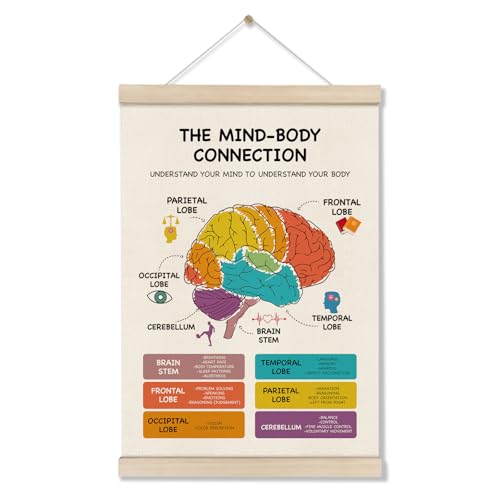
This 12 x 16 inch poster set provides a ready-to-hang display with a built-in frame that cannot be removed. The design emphasizes the mind–body connection and mental health awareness, ideal for school counselors, therapy offices, and classroom corners. The framing ensures a tidy, professional presentation suitable for ongoing use. Color variations may occur due to monitor differences, but the artwork remains visually engaging for students and educators alike.
Key uses include promoting open dialogue about feelings, supporting a safe learning environment, and encouraging self-discovery. The posters are versatile for several settings—classrooms, counseling rooms, and school libraries—making them a practical decor option that reinforces mental health conversations without being prescriptive.
In terms of durability, the poster dimensions are a stable standard, and the non-removable frame helps maintain layout integrity. This makes it a dependable reference piece for teachers who want a consistent visual aid during lessons on stress management, emotion naming, and coping strategies. Gift potential also exists for students, staff, or colleagues who value supportive educational decor.
Growth Mindset Positive Affirmations Posters For Classrooms

These 12 x 16 inch unframed posters feature positive affirmations designed to foster a growth mindset in kids. The canvas-like texture and light border invite easy framing to match school aesthetics. The unframed nature enables customization with student-selected frames to fit various classrooms or home study spaces. The design emphasizes resilience, effort, and learning from mistakes, aligning well with classroom routines and character education programs.
Offered as versatile wall art, these posters reflect a calm, constructive atmosphere that supports long-term engagement. They are suitable for preschool through elementary levels and can be used as daily prompts, group activity backdrops, or personal motivation corners. The durable printing ensures clear text and vivid colors that stand up to frequent handling and adjustments in busy environments.
As a gift or classroom addition, these posters support teachers aiming to integrate social-emotional learning into everyday instruction. They pair well with mindful breathing activities, goal-setting discussions, and reflective journaling, creating a cohesive approach to student growth and well-being.
Sensory Path Posters For Young Learners

The Sensory Path Posters are designed to guide students through movement-based learning activities. The set covers heavy work, energy, coordination, body awareness, motor planning, posture, and calming stops, making it suitable for ADHD, autism, or sensory processing needs. Visible routes on hallways or classrooms encourage independent navigation and structured transitions between activities or lessons.
Setup is straightforward—simply hang the posters to establish a sensory break area that does not require special equipment. Teachers and therapists can integrate these prompts into daily routines, helping children regulate arousal before focusing on academics. The posters support inclusive classrooms by offering concrete strategies for self-regulation and movement that children can voluntarily use when needed.
From a safety and usability perspective, the posters are durable and lightweight, allowing easy relocation or removal as schedules shift. For practitioners, these visuals serve as a practical bridge between cognitive tasks and physical engagement, promoting holistic learning experiences without disruption to instruction.
Mind Body Connection Poster

This 8 x 10 inch print highlights the relationship between mental processes and physical states, offering a concise educational tool for therapy offices, classrooms, or counseling spaces. The depth of information makes it suitable for school psychologists, counselors, and educators who want to facilitate conversations about stress, emotions, and body awareness. The poster is unframed and printed on heavy art paper for a durable display that can be upgraded with a chosen frame to match decor.
The visual design emphasizes clarity and accessibility, allowing students to reference brain functions alongside practical coping strategies. It serves as a focused topic for short discussions, self-assessment activities, or as part of a broader mental health curriculum. Educators can pair it with activities that connect cognitive effort to physical responses, reinforcing a holistic approach to wellbeing and learning.
Learning Resources Cross-section Brain Model
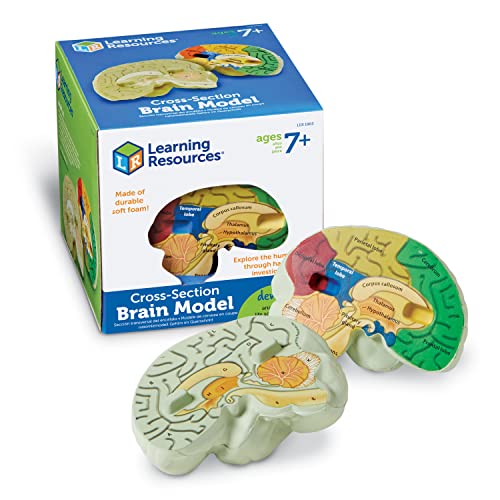
This two-piece foam model helps children explore brain anatomy through hands-on manipulation. Labeled cross-sections provide realistic detail, supporting science education and curiosity about brain function. It is a practical resource for classrooms, science fairs, and homeschooling, enabling tactile learning that complements diagrams or digital simulations.
Durability and ease of use are important features—the foam construction is lightweight and safe for young learners, while the labeling supports accurate identification of brain regions. Teachers can integrate the model into science lessons about neuroscience, nutrition, or sensory processing. The multi-sensory approach helps reinforce memory and comprehension, making abstract concepts more tangible for students at various developmental stages.
Buying Guide
- Audience and setting: Choose posters that align with your environment—classrooms, therapy spaces, or home study areas—and consider whether children will benefit from interactive, hands-on tools or static visuals.
- Durability and display: Look for posters with sturdy frames, thick paper or canvas, and clear print quality. Unframed options allow frame customization to match decor, while framed pieces reduce handling wear.
- Content focus: Balance options between growth mindset, sensory regulation, brain anatomy, and mind–body connections to address cognitive, emotional, and physical health goals.
- Size and layout: Standard classroom sizes like 12 x 16 inches and 8 x 10 inches fit most bulletin boards and walls. Consider wall space and whether poster sets should be grouped or spaced individually.
- Age appropriateness: Select content that matches developmental levels, from preschool to upper elementary, ensuring language and visuals are accessible to your students.
- Supplementary activities: Pair posters with guided activities, discussion prompts, or hands-on models (like brain cross-sections) to reinforce learning and engagement.
- Versatility: Favor items that work in multiple contexts—classrooms, counseling rooms, hallways, or home study—so you can reuse materials as needs evolve.
- Maintenance: Consider fade resistance and cleaning options, especially for high-traffic areas. Laminated or heavy-duty prints are easier to maintain.
In selecting these five items, the emphasis is on practical, scalable tools that support cognitive development, emotional literacy, and classroom management. By combining visuals that teach anatomy with posters encouraging resilience and self-regulation, educators gain a comprehensive set of resources that can adapt to diverse student needs and learning objectives.