Finding engaging, age-appropriate games for a 9-year-old boy can boost creativity, strategy skills, and teamwork while keeping family nights lively. The following picks blend teamwork, quick rounds, colorful components, and accessible rule sets so kids stay engaged and parents stay entertained. Each game offers a unique twist, from cooperative play to fast-paced scoring challenges, ensuring there’s something for every interest—from pirates and blocky worlds to classic dice and dexterity challenges. Below, discover five standout choices with strong replay value and kid-friendly mechanics.
Summary table of chosen products:
| Product | Brand | Gameplay Style | Why It Works For 9-Year-Olds |
|---|---|---|---|
| Hasbro Gaming Battleship with Planes Strategy Board Game for Ages 7 and Up | Hasbro Gaming | Strategic, competitive | Mixes naval combat with plane crashing twists to boost planning and anticipation. |
| Ravensburger Minecraft Heroes of The Village | Ravensburger | Cooperative, variable map | Encourages teamwork and strategic thinking in a beloved Minecraft setting. |
| Hasbro Gaming Yahtzee | Yahtzee | Roll-and-score, quick rounds | Develops probability sense and strategic risk-taking in short sessions. |
| Smartivity DIY Pinball Machine for Kids | Smartivity | Hands-on construction, mechanical play | Builds engineering skills and screen-free entertainment. |
| Hasbro Gaming Connect 4 Classic Grid | Connect 4 | Two-player strategy | Simple rules, fast rounds, and scalable competition. |
Hasbro Gaming Battleship With Planes

The Battleship with Planes adds a dynamic twist to the classic naval game, introducing airplanes alongside ships. Players plan moves, locate enemy fleets, and decide when to strike planes for strategic advantage. The Amazon Exclusive format includes portable battle cases and integrated storage for ships, planes, and pegs, making it ideal for travel and family game nights. This variant encourages careful planning and risk assessment as players navigate multiple layers of targets, expanding the cognitive demands without overwhelming younger players.
Key features include a twist on the standard battleship experience with aerial units, portable storage for easy setup on the go, and a focus on sinking ships while crashing planes to win. The game supports cooperative or competitive play depending on house rules and is well-suited for households seeking a familiar nostalgia with a fresh gameplay slant.
Ravensburger Minecraft Heroes of The Village

Experience the world of Minecraft in a cooperative board game format designed for 2 to 4 players. Heroes of The Village emphasizes teamwork, shared decisions, and unpredictable outcomes through a changing map that reshapes each session. Players collaborate to achieve objectives while managing inventory and building strategies to survive the village’s evolving challenges. The game includes a robust assortment of components—world tiles, wooden blocks, inventory boards, buildings, and mob tokens—ensuring a tactile and immersive experience that can be replayed with different setups for ongoing engagement.
The cooperative nature makes it ideal for families who want shared victory moments rather than direct competition. The variable map and diverse components encourage planning, adaptation, and communication among players, aligning well with curiosity and problem-solving tendencies common at age nine. It’s also accessible forMinecraft fans who enjoy seeing familiar aesthetics transformed into a tabletop adventure.
Hasbro Gaming Yahtzee

Yahtzee blends luck and strategy in a fast-paced dice-rolling challenge suitable for two or more players. The objective is to roll certain combinations to fill score categories across multiple rounds. As players shake, decide, and score, kids sharpen numerical fluency, probability estimation, and decision-making under pressure. The game’s quick rounds keep attention high, making it an excellent option for shorter play sessions during busy weeks. Its simple core rules allow new players to join in rapidly, while seasoned players can pursue flexible strategies for higher scores.
Smartivity DIY Pinball Machine

Smartivity’s DIY Pinball Machine invites kids to assemble a mechanical arcade-style game, combining building instructions with hands-on play. The kit emphasizes engineering concepts, problem-solving, and creative experimentation as children construct their own functional pinball machine. It’s a screen-free activity that fosters fine motor skills, spatial awareness, and concentration. With parts included and a focus on do-it-yourself assembly, the product supports steady, guided exploration for ages within the targeted range. Replacement parts are advertised as readily available, ensuring long-term play value.
Hasbro Gaming Connect 4 Classic Grid
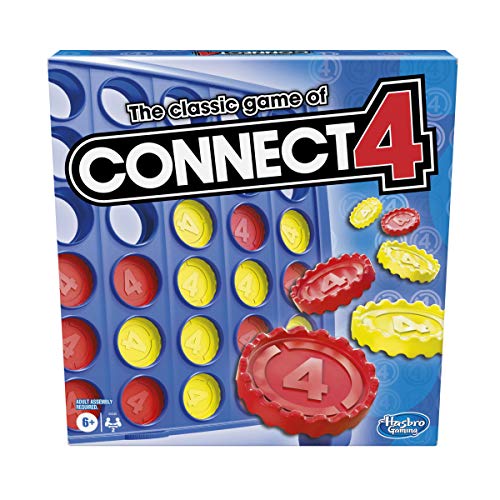
Connect 4 is a timeless two-player strategy game that focuses on pattern recognition and forward planning. Players drop discs into a vertical grid, aiming to achieve four in a row while blocking the opponent’s attempts. The modernized styling and bright colors add visual appeal to younger players, helping maintain engagement through visually clear feedback on each move. The rules are straightforward, which makes it easy for new players to join quickly, while the tactical depth invites more deliberate experimentation as skill grows.
Buying Guide: Key Purchase Considerations
When selecting board games for a 9-year-old boy, consider the following factors to balance fun, learning, and family suitability:
- Player count and game length: Look for games that suit your typical family size and provide play sessions that fit available time, ideally 15–45 minutes per round.
- Skills targeted: Choose games that develop math, strategy, cooperation, language, or fine motor skills, depending on the child’s interests and needs.
- Complexity and learning curve: Ensure rules are accessible without compromising challenge. Cooperative games can ease new players into strategy, while competitive titles motivate longer engagement.
- Replay value: Games with modular boards, variable components, or multiple strategies tend to stay engaging beyond a few sessions.
- Durability and age-appropriateness: Check component quality and safety for active play, particularly with small pieces in younger households.
- Theme and appeal: Favor themes aligned with the child’s interests (pirates, Minecraft, space, sports) to boost immersion and ownership.
- Storage and portability: For families on the go, consider games with compact packaging or integrated storage solutions.
- Cooperative vs. competitive: Cooperative games encourage teamwork and communication, while competitive titles build healthy competition and personal challenge.
Accessibility and inclusivity are also important. Look for games with clear iconography, readable typography, and ample visual cues to support learners and readers at varying levels. Finally, consider a mix of lighter, quick-play titles and deeper strategy games to accommodate different days and moods, ensuring family game nights remain a staple rather than a chore.