Choosing the right board games for 5-year-olds blends simple rules, cooperative play, and bright visuals. The games below are selected for kid-friendly setup, short play times, and age-appropriate challenges that encourage turn-taking, memory, and strategic thinking without frustration. Each title in this list is designed to engage young players while offering opportunities for family bonding and learning through play.
| Product | Age Range | Why It Works |
|---|---|---|
| Candy Land Kingdom of Sweet Adventures | Ages 3 and up | Colorful, no-reading needed, race-to-the-castle excitement. |
| Trouble Board Game (Bluey Edition) | Ages 5 and up | Classic gameplay with kid-friendly characters and simple objective. |
| Spidey And His Amazing Friends Yahtzee Jr. Marvel Edition | Ages 4 and up | Character-themed dice game that builds matching and counting skills. |
| Chutes And Ladders | Ages 3 and up | Easy to learn ascent and descent with bright visuals. |
| Bluey Edition Trouble | Ages 5 and up | Roll-and-move excitement plus family-friendly Bluey characters. |
Candy Land Kingdom Of Sweet Adventures

Classic Beginner Game: Candy Land introduces young children to a simple racing journey toward the castle. The game uses color matching and luck rather than reading, making it accessible for kids as young as three. The cute gingerbread character pawns add whimsy while keeping playtime quick and engaging. This Amazon Exclusive edition emphasizes bright visuals and smooth setup to minimize downtime between turns.
Gameplay Focus: Players move along a rainbow-colored path, encountering playful surprises that keep kids entertained and thinking about color sequences. The absence of reading requirements helps new readers participate with confidence. The game is designed to be fast, encouraging short attention spans and repeated rounds that reinforce color recognition and turn-taking habits.
Educational Angle: Beyond pure luck, Candy Land helps early learners with color identification, pattern recognition, and basic strategic planning as players anticipate the next color on the board. It remains a staple option for family game nights when a quick, cheerful game is desired.
Trouble Board Game (Bluey Edition)
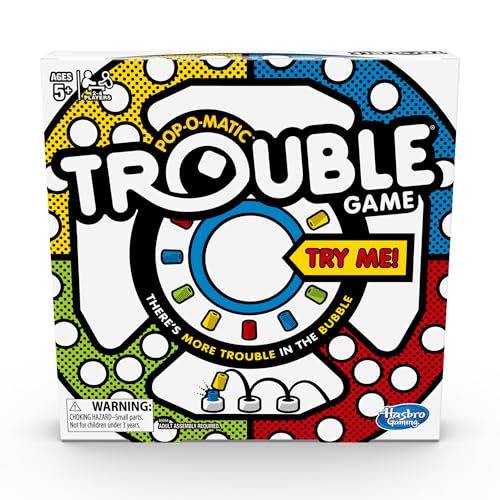
Fun Family Game: This Trouble edition brings a classic party game vibe to the 5-year-old set with familiar characters and uncomplicated goals. The objective is straightforward: be the first to move all of your game pieces around the board to the finish. The accessible setup and quick rounds make it ideal for short attention spans and younger players new to tabletop games.
Easy To Learn: The core mechanic—pop the die, move your pegs, and watch for special spaces—offers a gentle progression in game complexity. The Bluey branding adds a friendly, recognizable theme that resonates with preschool and early elementary players, encouraging family participation and shared play.
Adaptive Play: The game includes variations that can scale the challenge, helping families adjust as children grow. It remains a strong option for introducing strategy through simple choices like when to move a piece and how to block opponents during a round.
Spidey And His Amazing Friends Yahtzee Jr Marvel Edition
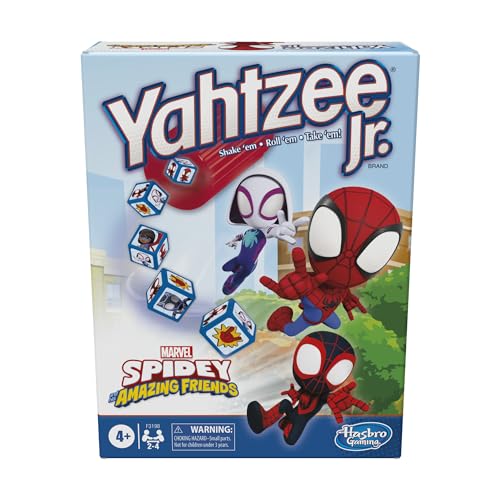
Yahtzee Game For Kids: This kid-friendly twist on the classic Yahtzee introduces young players to dice rolling, matching, and simple scoring. The Marvel characters—Spidey and friends—provide a familiar theme that can boost engagement and imagination during play.
Roll, Match, Score: Players roll, try to match as many characters as possible, and accumulate points. The game’s shorter rounds keep attention focused and minimize downtime. The cooperative appeal of matching with favorite superheroes supports turn-taking and shared wins.
Learning Elements: Beyond luck, Yahtzee Jr. reinforces counting, number recognition, and pattern formation. It’s accessible for newcomers while still offering a satisfactory challenge as kids learn to strategize around dice outcomes.
Chutes And Ladders Board Game

Classic Beginner Game: Chutes and Ladders is a timeless pick for preschoolers and early elementary players. It emphasizes simple ascent and descent on the board, with clear ladders and chutes guiding progress. The no-reading-required format ensures inclusivity for non-readers and early readers alike.
Education Through Gameplay: The game helps kids understand risk, patience, and simple counting as they spin the spinner and move their pawn upward. Repeated play supports memory, quick recognition of patterns, and cooperative play as children wait for their turn and cheer peers’ progress.
Family Friendly: With 2 to 4 players, this edition supports small group play and shared excitement. It’s well-suited for classroom warm-ups or family game nights, offering reliable pacing and straightforward outcomes that keep younger players engaged.
Bluey Trouble Edition
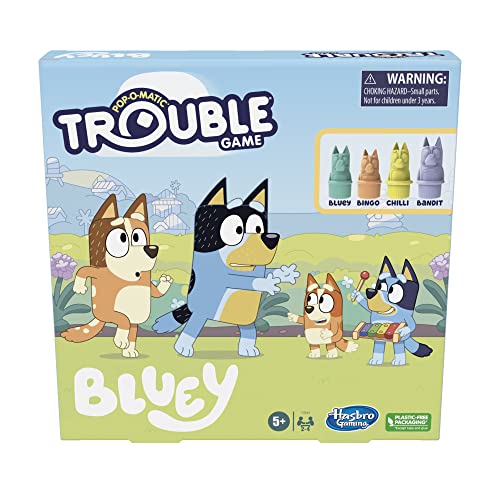
Bluey-Inspired Fun: The Bluey edition blends the traditional Trouble race-to-the-finish with beloved characters and themes. This family-friendly experience supports social play, cooperation, and friendly competition through familiar storytelling and artwork.
Interactive Gameplay: The Pop-O-Matic bubble and progression spaces encourage interaction and discussion as players navigate the board. Double Trouble and Warp spaces add twists that can surprise younger players, keeping rounds lively and engaging without overwhelming players with complexity.
Appropriate Challenge: The game’s pace suits 5-year-olds by balancing quick rounds with opportunities for strategic choices, such as when to advance and how to respond to opponents’ moves, fostering early strategic thinking in a low-stress setting.
Sorry! Board Game

Game Of Sweet Revenge: Sorry! blends race-to-home excitement with light antagonism in a way that’s easy for kids to understand. The goal is to be the first to move all pawns home, but players can send others back to the start, which adds a touch of playful mischief appropriate for the age group.
Strategic Flexibility: With multiple card-driven possibilities, players experience varied outcomes each game. The mix of luck and strategy supports critical thinking as children decide when to advance, block, or stall opponents, enabling evolving play patterns.
Family Circle Play: This title is well-suited for mixed-age groups, inspiring cooperative conversations and friendly competition across generations, a valuable aspect for family gatherings or classroom-style play sessions.
Buying Guide: Key Purchase Considerations
- Age-appropriateness: Check the game’s recommended ages to ensure it matches a 5-year-old’s developmental stage. Games labeled for ages 3+ generally work well for this group, but observe your child’s interest and reading level.
- Rule simplicity: Favor games with clear, minimal rules and quick setup so children can participate with minimal frustration. Look for parental help options or visual cues on the board to guide play.
- Turn-taking and social skills: Games that require players to wait their turn, cooperate, or compete in gentle ways help with social development and patience.
- Replay value: Bright themes, familiar characters, and simple mechanics can keep children engaged across multiple sessions. Consider games with slight variations or add-ons to extend playtime.
- Educational angles: Many games subtly reinforce counting, color recognition, pattern matching, memory, and basic strategy. Identify which skills you want to reinforce in your child’s play.
- Durability and design: Sturdy boards and pieces designed for little hands reduce wear and ensure longevity. Non-toxic materials and safe, rounded pieces are important for this age group.
- Storage and portability: Compact, lightweight games are ideal for travel, dining room corners, or classroom libraries. Look for games with simple box packaging and organizers inside the box.
- Theme and engagement: Familiar characters (like Bluey or Marvel friends) can boost enthusiasm. Choose a theme aligned with your child’s interests to sustain motivation during play.
- Group suitability: If buying for multiple children or frequent family use, select games that support 2–4 players to maximize participation and reduce waiting times.
When selecting a set of games for a five-year-old, balance ease of play with small strategic opportunities. The titles listed above provide a spectrum of pace, theme, and challenge, enabling sessions that are entertaining and developmentally appropriate. Always supervise initial plays to help children interpret rules and enjoy the social dynamics of shared play.