Parents and caregivers looking to boost young children’s confidence and balance can turn to pedal-free balance bikes. Designed to teach steering, balance, and coordination before transitioning to a pedal bike, these lightweight options are ideal for ages roughly 2 to 5. The following five models combine safety, adjustability, and kid-friendly features to help children learn riding skills quickly and joyfully.
Summary of chosen products
- SEREED Toddler Balance Bike (Black) — Tool-free height adjustments; supports up to 110 lbs; personalized plate with stickers.
- Strider 12” Sport Bike (Blue) — Iconic no-pedal design; quick assembly; adjustable components; safety features included.
- WETIFY Balance Bike — Durable magnesium alloy frame; all-terrain tires; adjustable handlebar and seat; suitable for ages 2-5.
- Strider 12” Sport Bike (Pink) — Similar Strider design with kid-friendly pink styling; strong safety and comfort features.
- JMMD 6 in 1 Toddler Bike — Convertible 6-in-1 design; grows with child; adjustable steering, seat, and push handle; multiple riding modes.
SEREED Toddler Balance Bike — Black

The SEREED balance bike features a wide, sturdy carbon steel frame designed to support up to 110 lbs. A safe footrest pad and soft saddle pair with rubber grips to help little hands stay secure during glides. Its 12.6 inch starting seat height provides a low, accessible reach for toddlers learning balance, while the quick-release mechanism allows tool-free adjustments to the seat and handlebar heights for growth and proper posture.
Why this matters: a pedal-free bike emphasizes balance and steering, helping kids gain confidence quickly. The included plate and stickers offer personalization, turning practice into a fun, creative activity. This model balances durability with kid-friendly comfort, making it a strong option for families seeking a long-lasting starter bike.
Features at a glance: sturdy frame, no-pedal design, tool-free height adjustments, safe footrest, and customization options.
Strider 12” Sport Bike, Blue
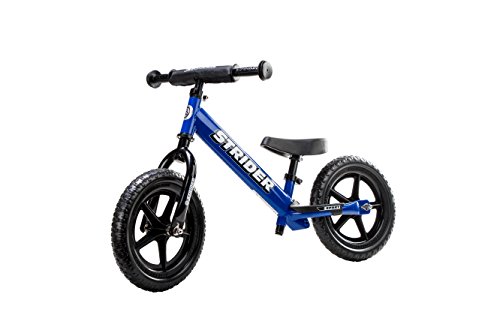
Strider’s 12” Sport Bike introduces toddlers to riding without pedals, focusing on balance and steering development. The design emphasizes confidence-building early riding experiences and features a lightweight frame with padded seat, mini grips, and flat-free tires for fewer maintenance concerns. Tool-free assembly and adjustments simplify setup, allowing caregivers to get a child riding quickly and safely. The blue model maintains the classic Strider approach—durable, simple, and purpose-built for early riders.
Key considerations include how balance bikes accelerate skill transfer to pedal bikes and how easily the bike can be sized as a child grows. Strider’s setup supports rapid confidence gains due to its intuitive balance-first philosophy and strong safety-oriented design.
WETIFY Balance Bike — 2 to 5 Years

The WETIFY balance bike offers a balanced blend of durability and performance for toddlers aged 2 to 5. It features a one-piece magnesium alloy frame rated to 110 lbs, a safe footrest, rubber grips, and a comfortable seat with a starting height of 12.6 inches. All-terrain tires provide stability and shock absorption on grass, sidewalks, and varied surfaces, enabling smoother rides for new balance learners.
Adjustability is a practical advantage here, with a design that accommodates evolving rider heights. Parents will appreciate the emphasis on safety and controlled gliding, which helps young riders practice balance without the distraction of pedals. This model is well-suited for families seeking a robust, all-season balance bike.
Strider 12” Sport Bike, Pink

This pink Strider variant mirrors the Blue model’s balance-first philosophy, delivering the same essential features tailored to a different color preference. It includes a safe, padded seating arrangement, mini grips, and reliable flat-free tires. The tool-free assembly and adjustment process makes it straightforward for parents to set up a bike that fits a growing child, while maintaining the brand’s reputation for durable, kid-friendly balance bikes.
From a learning perspective, Strider’s emphasis on balance and steering skills aligns with faster progression to pedal riding, reducing frustration for both child and caregiver. The Pink edition offers a visually appealing option without compromising safety and simplicity.
JMMD 6 in 1 Toddler Bike

JMMD presents a versatile 6-in-1 design intended to cover a wide range of ages from 18 to 60 months. The bike transitions from a parent-push trike to a toddler tricycle, a balance bike, and other configurations. A parent push handle is adjustable, and both the handlebar and seat are height-adjustable, with a seat extension rod to accommodate growth. The design emphasizes safety with an aluminum alloy frame, all-terrain 12″ puncture-proof wheels, a hand brake, and a 60-degree steering limiter to prevent abrupt turns.
As a multi-mode option, JMMD can adapt to different stages of toddler riding, potentially reducing the need for multiple separate purchases. Its chain-free system simplifies maintenance and enhances stability for young riders who are still exploring balance and control.
Buying Guide: Key Purchase Considerations And Comparisons
Age and development: Balance bikes are typically appropriate for children aged around 2 to 5. Consider your child’s height and comfort level with standing and gliding before selecting a model.
Adjustability: Quick-adjust or tool-free height adjustments help the bike grow with your child and ensure proper balance and posture. Look for adjustable seat height and handlebar height to maximize comfort and safety.
Weight capacity and materials: Most models support roughly 110 lbs and use lightweight frames (magnesium alloy or steel). A sturdy frame improves stability and durability during early learning stages.
Safety features: Footrests, padded saddles, and non-slip grips contribute to a safer riding experience. Some bikes include steering limits to prevent sudden turns, reducing tipping risk.
Wheels and tires: All-terrain or puncture-proof tires improve balance training across surfaces. Flat-free tires reduce maintenance concerns and the chance of a stuck ride.
Maintenance and assembly: Tool-free or quick-assembly options save setup time and frustration for busy families. Look for models with straightforward assembly and minimal ongoing maintenance needs.
Personalization options: Some bikes include customization plates and stickers, which can engage children and foster a sense of ownership and fun during practice sessions.
Growth compatibility: Consider whether the bike can transition to a pedal bike later, either through a proven progression path (no-pedal to pedal) or via modular configurations that adapt to growing skills.
Brand reputation and support: Established brands with documented safety features and customer support can provide reassurance for first-time buyers and gradual upgrades.
Comparison snapshot: For quick reference, Strider models emphasize easy assembly and proven balance training, SEREED bikes offer strong adjustability and personalization, WETIFY balances durability with all-terrain suitability, and JMMD provides a modular, growth-oriented design for evolving riding experiences.
Overall, the best choice will align with your child’s size, confidence level, and how you plan to transition toward a pedal bicycle. Safety, adjustability, and long-term usability should guide the final decision.