For parents seeking a first bike that helps toddlers learn balance, steering, and confidence, balance bikes are a popular choice. This guide highlights five highly-rated options ideal for ages 2 to 5, focusing on safety, adjustability, and growth potential. Each pick is designed to be lightweight, sturdy, and easy for little riders to manage, making the transition to pedal bikes smoother and more enjoyable. Below, compare features, suitability, and setup considerations to help you choose the best fit for your child’s development and your family’s needs.
| Product | Brand | Age Range | Key Benefit |
|---|---|---|---|
| KRIDDO Toddler Balance Bike | KRIDDO | 24 months – 5 years | Customizable plate and sturdy frame |
| SEREED Toddler Balance Bike (Pink) | SEREED | 2 – 5 years | Adjustable height; no pedals; personalization |
| SEREED Toddler Balance Bike (White) | SEREED | 2 – 5 years | Same design, white color option |
| KRIDDO 1-2 Year Old Balance Bike | KRIDDO | 12 – 24 months | Classic look with growth-friendly design |
| Colorful Lighting 12 Inch No Pedal Bike | M SANMERSEN | 24 months – 5 years | Light-up wheels for extra engagement |
KRIDDO Toddler Balance Bike: 24 Months to 5 Years
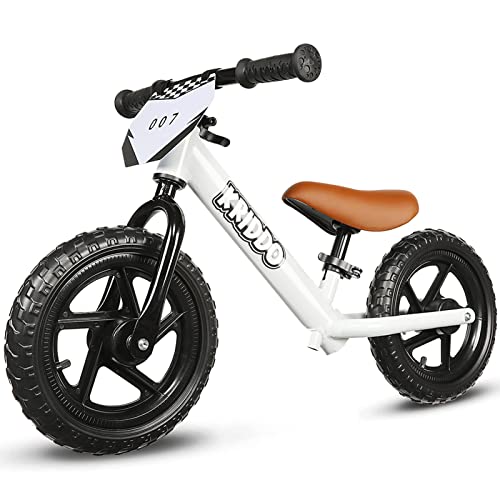
KRIDDO’s balance bike is designed for early learners. A wide, carbon-steel frame provides stability while the soft PU seat and rubber-grip handlebars offer comfort and control. The bike’s weight supports up to 110 lbs, giving room to grow. A removable customizable plate with sticker options invites kids to personalize their ride, turning playtime into a creative activity while practicing balance and coordination.
SEREED Pink Balance Bike: Adjustable And Safe

This no-pedal bike emphasizes safety and growth. The sturdy carbon steel frame supports up to 110 lbs, with a 12.6-inch starting seat height and a quick-release mechanism for height adjustments. Tools aren’t required to raise the seat or handlebars, making it easy to customize as your child grows. The included plate and stickers offer a creative way for little riders to personalize their ride while learning balance and steering.
SEREED White Balance Bike: Grow-With-Child Design

This variant mirrors the pink model with a white finish, maintaining the same robust frame and adjustable setup. The no-pedal design supports early balance development, while the quick-release height adjustments for seat and handlebars ensure the bike fits your child as they grow from toddler to preschooler. Like the pink version, it includes a customizable plate and stickers for personal flair.
KRIDDO 1-2 Year Old Balance Bike: Classic Starter

Designed as a first bike for the smallest riders, this KRIDDO model blends a classic look with safety-focused features. It emphasizes fine motor skill development through a tactile design and a wide, non-slip setup. The bike’s balance-focused approach helps kids build confidence before transitioning to a pedal bike, aided by a sturdy frame and comfortable seating for shorter rides.
M SANMERSEN Colorful Lighting 12 Inch No Pedal Bike
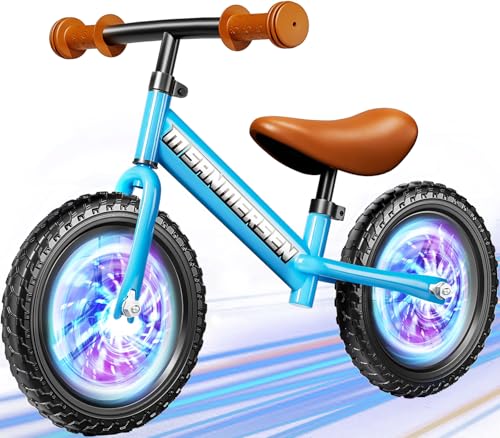
This 12-inch no-pedal bike adds visual excitement with two-color lighting wheels that glow with motion. The adjustable handlebar and seat accommodate growing children, while the carbon steel frame delivers durability. Non-slip TPU handlebars and a wide, cushioned seat help maintain control and comfort during early riding sessions. It’s a strong option for active toddlers who respond to engaging visuals and steady balance practice.
Umatoll Toddler Balance Bike: Tool-Free Growth

Selected for its simple, tool-free height adjustments, the Umatoll balance bike supports children aged 2 to 5 years. The sturdy carbon steel frame, soft seating, and rubber grips help ensure a comfortable and secure ride as little cyclists learn balance and steering. The design emphasizes safe riding with a focus on confidence-building experiences for young riders.
Buying Guide: Key Considerations For Choosing A Toddler Balance Bike
When choosing a balance bike for a 2.5 year old, consider safety, fit, and future use. Look for a low, stable frame and soft, non-slip grips to reduce accidents. Seat height should allow the child’s feet to reach the ground while sitting comfortably, typically enabling a flat-footed stance during initial rides. Adjustable handlebars and seats extend the bike’s lifespan as your child grows, preventing early replacement.
- Balance vs. Pedal: No-pedal bikes help kids learn balance before pedaling. Pedal-ready or 2-in-1 variants can ease transition.
- Weight and Material: Lightweight frames reduce fatigue and improve control. Carbon steel is common and durable.
- Safety Features: Wide wheels for stability, soft seats, non-slip grips, and a sturdy frame contribute to safer practice.
- Adjustability: Quick-release height adjustments save time and tools, supporting rapid growth and better fit.
- Personalization: Custom plates or stickers foster engagement and ownership, potentially increasing practice time.
- Age and Size: Align the bike’s recommended age range with your child’s current height and abilities for optimal balance development.
Why A Balance Bike May Suit Your Child
Balance bikes emphasize steering, balance, and confidence rather than pedaling power. For many toddlers, mastering these basics first creates a smoother transition to traditional bicycles with pedals. The right model combines a low learning curve with durable construction and growth potential, so kids can practice right away and still ride confidently a year later.
How To Introduce A Balance Bike
Begin with short sessions on smooth, flat surfaces. Encourage walking with the bike, then gliding, while offering gentle guidance. Gradually increase the riding distance as balance improves. Ensure protective gear, like a properly adjusted helmet, is always worn during first rides and subsequent sessions.
Maintenance And Longevity
Regularly check the handlebars, seat clamp, and wheels for tightness. Clean the frame to prevent rust and inspect the tires for wear. Most models use tool-free adjustment, making ongoing fitting maintenance straightforward for growing toddlers.