Choosing the right bat for an 8-year-old focuses on length, weight, and safety. The goal is a bat that helps develop proper swing mechanics without overexerting a young player. Below you’ll find five highly suitable options, spanning foam practice bats, lightweight alloy youth bats, and beginner-friendly training sets. Each choice emphasizes kid-friendly design, grip comfort, and durable construction. Use the buying guide at the end to compare these picks on key factors like length, weight and material.
- Recommended for: beginners, developing hand-eye coordination, indoor or outdoor practice
- Length range: 16″ to 30″
- Material emphasis: foam, plastic, or lightweight alloy
Product Overview
Summary of selected options to help you compare at a glance:
| Product | Brand | Length | Type |
|---|---|---|---|
| Axe Bat 2023 Hero | Axe | 30″ | 1-Piece Alloy Baseball Bat |
| Axe Bat 2022 Origin | Axe | 26″ | 1-Piece Alloy Tee Ball Bat |
| Lemito Mini Foam Bat Set | Lemito | 16″ | Foam Kids Bat + 3 Soft Balls |
| Aoneky 16.5″ Mini Foam Bat | Aoneky | 16.5″ | Mini Foam Bat |
| CamWood Training Bat | CamWood Bats | 30″ | Baseball Training Bat |
Axe Bat 2023 Hero
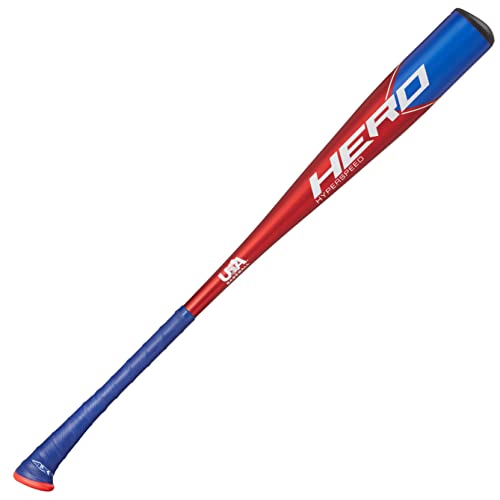
The Axe Bat 2023 Hero is a 1-piece alloy design crafted for speed and stability. With a 2-1/2 inch diameter LP Alloy barrel, it’s built to offer a quick swing path and solid pop straight out of the wrapper. The new Youth Axe Handle provides a more stable grip, helping a young player achieve faster, more controlled swings. This model targets youth players aiming to refine technique while maintaining a light feel, ideal for 8-year-olds transitioning from beginner bats.
Axe Bat 2022 Origin Tee Ball Bat

The Axe Bat 2022 Origin is a lighter tee-ball option with a 2-1/4″ LP1 alloy barrel. It’s USA Baseball approved and features the patented Axe Handle—designed to reinforce proper hand position and encourage a consistent swing. This bat appeals to parents seeking a balance of grip stability and pop for younger players who use a tee or soft toss training.
Aoneky 16.5 Inch Mini Foam Bat
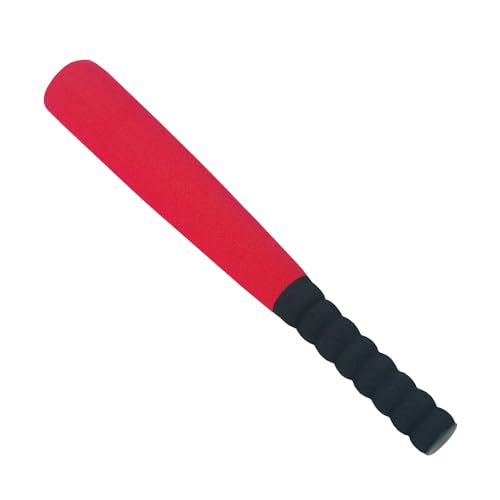
The Aoneky Mini Foam Bat is designed for toddlers and early beginners, with a 16.5-inch length and a soft foam construction. While marketed for younger children, it helps instill early swing habits, balance, and hand-eye coordination in a risk-free, indoor-friendly format. The bat is sized for small hands and does not include a ball, ensuring safer play and simple practice setups.
Lemito Mini Foam Bat Set

The Lemito Mini Foam Bat Set includes a 16″ lightweight foam bat and three soft balls with a storage bag. This bundle is ideal for indoor and outdoor practice for toddlers and early beginners. The oversized foam balls reduce risk while improving hand-eye coordination and basic swinging mechanics in a safe, approachable package.
CamWood Training Bat
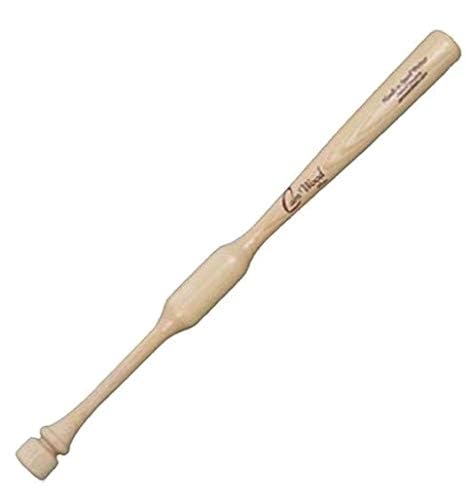
The CamWood Training Bat is a longer, 30-inch training bat designed for players who want to work on mechanics and swing speed. While suitable for practice, its longer length is better suited for players who already handle extended bat athletes’ drills. It’s a robust option for developing proper swing planes and timing, especially in structured training sessions or batting cages.
Buying Guide: Key Purchase Considerations
- <strongLength and Weight: For an 8-year-old, aim for 26″ to 30″ bats in light weight range. Foam and plastic options prioritize safety and easy handling, while alloy bats offer more power as technique improves.
- <strongMaterial: Foam and plastic bats emphasize safety and indoor use; alloy bats provide durability and better ball exit speed. Choose based on where practice happens and how often.
- <strongGrip and Handle: Slim handles and cushioned grips help small hands maintain control. Axes with ergonomic handles can promote a proper swing path from an early age.
- <strongSafety: Foam or soft-ball sets reduce risk during indoor practice. Always use appropriate protective equipment and supervise young players during training sessions.
- <strongUsage Context: Indoor use benefits from foam bats; outdoor or cage practice can leverage lightweight alloy bats for real ball contact while still prioritizing safety.
- <strongProgression: Start with a foam or mini-bat to build fundamentals; gradually move to a lighter alloy model as confidence and technique grow, ensuring the bat fits the child’s height and swing
- <strongMaintenance: Clean grips regularly, inspect for cracks or wear on alloy bats, and store in a dry place to prevent warping.
- <strongBudget Considerations: Foam and beginner sets are typically more affordable; alloy bats represent a longer-term investment for players who consistently practice and participate in leagues.
These selections provide a spectrum of options tailored for an 8-year-old’s developing skills, safety needs, and practice environments. Consider your child’s current experience, weight preference, and the space available for practice when choosing the best fit.