For turkey hunters, an aluminum turkey call offers durability, volume, and range. This guide highlights premium aluminum pot calls designed to deliver sharp yelps, cutting tones, and reliable responses in diverse conditions. Each product below is selected for sound quality, build, and value, helping you choose a potent tool for locating gobblers and closing the deal in the field.
| Product | Brand | Material | Key Advantage |
|---|---|---|---|
| Bone Collector Light’s Out Aluminum Pot Call | Bone Collector | Aluminum | Maximum volume and reliability |
| DUCK COMMANDER Double Trouble | STRUT COMMANDER | Aluminum/Slate | Double-sided versatility |
| Knight & Hale Canyon Cutter Aluminum Over Acrylic | Knight & Hale | Aluminum/Acrylic | High-density acrylic pot for consistency |
| Quaker Boy Triple Threat | Quaker Boy | Aluminum | Versatile range of calls |
| ESH AnoHen Aluminum Walnut Pot Turkey Call | ESH | Aluminum/Walnut | Long-range locating & cutting tones |
Below you’ll find concise overviews of five aluminum pot calls. Each entry includes a clickable link to Amazon, a visual, a quick feature snapshot, and usage notes to help you compare options quickly.
Bone Collector Light’s Out Aluminum Pot Call
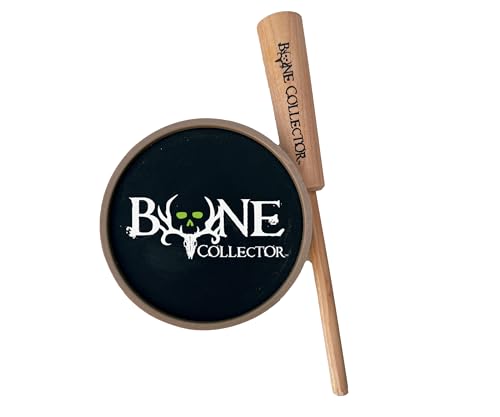
The Bone Collector Light’s Out Aluminum Pot Call emphasizes volume and reliability, with a durable anodized aluminum pot and a high-pitched soundboard. Its hardwood striker supports crisp, clean articulation, helping hunters reach turkeys at longer distances. The molded pot and soundboard work in tandem to produce sharp yelps and cutting notes that can command a gobbler’s attention in open country or windy environments. This call is designed for hunters who prioritize loud, dependable calls in challenging conditions.
Usage notes: aim for steady, controlled strokes to maximize projection without sacrificing tone quality. The included striker’s hardness helps balance volume with tonal clarity. Suitable for both sit-and-call and quick-chase scenarios where long-range locate calls are advantageous.
DUCK COMMANDER Double Trouble

The Double Trouble Pot Call is a two-sided instrument combining an aluminum top for loud, long-range calls with a slate bottom for softer, closer-range tones. The rugged polycarbonate pot ensures durability, while the purple heart wood striker delivers precise, realistic sounds. This versatility makes it suitable for varying hunting scenarios, including situations where a gobbler is briefly in the distance or creeping within close range.
Usage notes: switch sides to adjust tone quickly; the aluminum side excels at assertion, and the slate bottom enables more subtle feeding and kee-kees. Practice transitions to master the range shifts during a hunt.
Knight & Hale Canyon Cutter Aluminum Over Acrylic
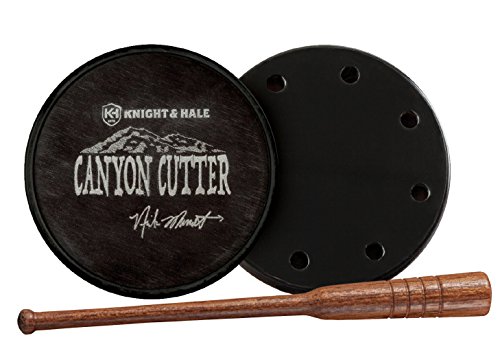
Crafted with a premium acrylic pot and an aluminum playing surface, this call delivers distinctive resonance and consistency. Designed by Bone Collector’s Nick Mundt, it emphasizes a bright, high-frequency voice that carries across open terrain. The combination of materials supports both sharp yelps and searching kee-kees, enabling hunters to locate gobblers even in windy or echo-prone environments.
Usage notes: the acrylic pot lends a brighter timber that projects distinctly. Gentle, deliberate strokes yield clear target tones, while firmer presses produce more aggressive cuts when a gobbler is closing in.
Quaker Boy Triple Threat

The Triple Threat offers a versatile calling experience with a focus on traditional pot call performance. While the brief product description notes its general sporting goods category and basic dimensions, it highlights a broad capability to produce soft to loud calls. This makes it a practical option for hunters seeking a dependable, all-around aluminum pot call that can adapt to different turkey responses in the field.
Usage notes: practice soft purrs, clucks, and aggressive cuts to understand the tonal range. This call is well-suited for beginners developing basic skills, as well as experienced hunters who want a reliable, no-fruss tool in their kit.
ESH AnoHen Aluminum Walnut Pot Turkey Call

The AnoHen combines an anodized aluminum playing surface with a premium walnut wood pot, delivering sharp, high-pitched tones ideal for long-range locating. The aluminum surface enhances volume and cut, helping the call cut through wind and terrain when background conditions threaten visibility. It is designed for both long-range hen yelps and aggressive cutting sounds, making it suitable for hunters who need reach without excessive effort.
Usage notes: leverage the aluminum surface for piercing calls in open woods, and switch to walnut for more natural, close-range interactions. This setup aims to maximize reach while retaining tonal clarity.
Buying Guide: Aluminum Pot Calls
- Call surface and pot materials: Aluminum surfaces typically provide higher volume and crisp, high-pitched tones that carry in wind and across open terrain. Wood pots (walnut, purple heart) modify resonance and can yield warmer or more natural textures, useful for blending with turkey responses.
- Double-sided and hybrid designs: Two-sided calls (aluminum on one side, slate or glass on the other) let you adapt tone quickly to distance and gobbler behavior. Consider whether you need range versatility or a focused single-tone tool.
- Durability and field conditions: Durable pots, often with anodized aluminum, withstand outdoors wear and exposure to dirt, moisture, and abrasion. If you hunt in windy woods or brush, durability and consistency are critical factors.
- Striker material and feel: The striker type (hardwood, purple heart, or synthetic) affects tone and ease of use. A well-balanced striker reduces fatigue and improves voice control during long hunts.
- Learning curve and intended user: Some pots are beginner-friendly with straightforward tones, while others emphasize advanced control for experienced callers. Align the choice with skill level and practice time available.
- Terrain and range considerations: For open fields or windy environments, prioritize aluminum surfaces and high-volume calls. In dense cover, softer tones from slate or glass bottoms can help at close range.
- Maintenance and care: Clean the playing surface after use and store in a dry environment. Avoid moisture buildup on wood pots, which can affect tone and response over time.