Choosing the right air pistol pellets can dramatically impact accuracy, velocity, and consistency. This guide highlights five top-rated options commonly used with pellet pistols for target practice, plinking, and light hunting. Read on to compare designs, weights, and intended uses to help you pick pellets that match your pistol and your goals.
Below is a quick snapshot of the featured products to help you compare at a glance. The table lists the product name, brand, caliber, weight, and package count for fast reference.
| Product | Brand | Caliber | Weight | Count |
|---|---|---|---|---|
| Umarex RWS Meisterkugeln Pistol Professional Line Precision Pellet Gun Pellets | Umarex | .177 | 7 grains | 500 |
| Hawki Airgun Pellets .177 Caliber 9.72gr | Hawki | .177 | 9.72 grains | 500 |
| Umarex High-Grade CO2 Cartridges for Pellet Guns | Umarex | Not applicable | CO2 cartridges | Varies |
| Hawki Airgun Pellets -.177 Hollow + Pointed | Hawki | .177 | 8.18 grains | 500 |
| RWS Super-H-Point .177 Field Line | Umarex | .177 | Not specified | Not specified |
| RWS Superpoint Extra .177 Field Line | Umarex | .177 | Not specified | Not specified |
Umarex RWS Meisterkugeln Pistol Professional Line Precision Pellet Gun Pellets

These Meisterkugeln pellets carry a long-standing reputation among serious air pistol shooters. The Professional Line is optimized for pistols, emphasizing consistent weight and a bright, shiny finish due to refined surface treatment. Each pellet’s dimensions are tightly controlled to deliver remarkable accuracy across practice sessions. Ideal for precision shooting and match practice, they balance stability with dependable trajectory at typical indoor and outdoor ranges. Users often note improved groupings when paired with compatible pistol models, especially in calm conditions.
Highlights include a durable construction designed to withstand repeated firing, and a focus on maintaining a bright appearance even after numerous shots. Because the pellets are tuned for pellet pistols, they tend to perform predictably in terms of flight stability and energy transfer, helping shooters refine hold, sight alignment, and trigger control. For target shooters and enthusiasts seeking dependable, accurate performance, these Meisterkugeln pellets remain a go-to option.
Hawki Airgun Pellets .177 Caliber 9.72gr

Designed for target practice and plinking, Hawki’s .177 cal 9.72-grain pellets strike a balance between weight and velocity. The heavier weight relative to standard plinking rounds often yields better penetration and energy retention at moderate distances, which can help with consistent hit placement on steel targets or paper silhouettes. The pointed design can influence trajectory and deformation on impact, making these pellets suitable for shooters who value precise group tightness over sheer speed. They are commonly paired with air rifles and some pistol models that handle .177 cal ammunition well.
In practical terms, shooters may experience crisper recoil and more stable flight when using this weight class, especially in calm conditions. The packaging emphasizes quality control and consistent production, ensuring fewer outliers in a tin. For new and experienced shooters, these pellets offer a reliable option for consistent practice sessions and precise target engagement.
Umarex High-Grade CO2 Cartridges
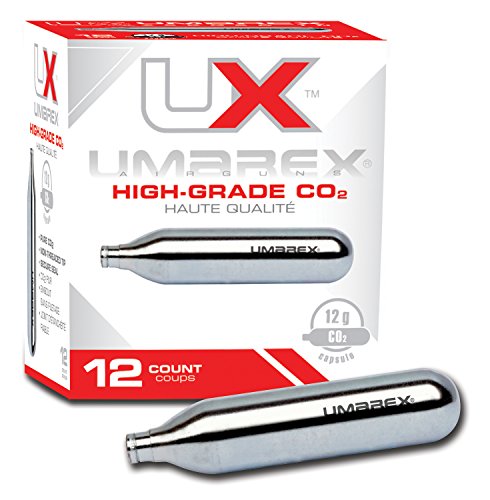
CO2 cartridges are essential for many semi-automatic air pistols, delivering consistent gas pressure for smooth cycling and reliable velocity. The high-grade formulation offered by Umarex is designed to minimize residue and valve wear, helping extend the life of the pistol’s action. Availability of standard cartridge sizes ensures compatibility with a wide range of pistols, while the clean-burning quality supports consistent shot-to-shot performance. Consumers should match cartridge size and gas volume to their specific firearm’s requirements for optimum results.
For maintaining a steady shooting rhythm, selecting clean CO2 can reduce downtime and maintenance. The choice is especially important for pistols that rely on CO2 propulsion to achieve consistent muzzle velocity across sessions. Users should store cartridges properly to preserve gas integrity and avoid moisture exposure that can degrade performance over time.
Hawki Airgun Pellets -.177 Hollow + Pointed

These Hawki pellets combine hollow point and pointed features, designed to deliver controlled expansion and improved penetration at moderate ranges. The hollow point can enhance energy transfer on impact while maintaining accuracy in flight, which some shooters find beneficial for certain targets and practice drills. Weighing around 8.18 grains, they offer a balance of velocity and stability that suits both pistol platforms and entry-level multi-pump systems. This makes them a versatile choice for shooters focusing on accuracy and reliable performance during plinking and formal practice.
As with other .177 pellets, performance can vary slightly with barrel length, powerplant, and wind conditions. Shooters may experiment with seating depth and cleaning routines to maximize consistency. The design intent is to provide predictable trajectories with minimal fouling, enabling continued accuracy across longer practice sessions.
RWS Super-H-Point .177 Field Line

The Super-H-Point pellet line emphasizes controlled frontal deformation and reliable penetration. The lighter weight and specialized nose design aim to maximize energy delivery on impact while preserving aerodynamic stability for accurate hits at practical distances. This profile often suits hunting-focused practice and precision shooting where consistent expansion at target impact matters. Shooters may notice a predictable holdover pattern when used with compatible pistols and optics combinations.
Compared to other field-line designs, the Super-H-Point can offer quicker energy release, which may translate to flatter trajectories over mid-range targets. The manufacturing approach prioritizes uniformity and clean casting, reducing the likelihood of anomalies that could affect accuracy across a tin or range of targets.
RWS Superpoint Extra .177 Field Line
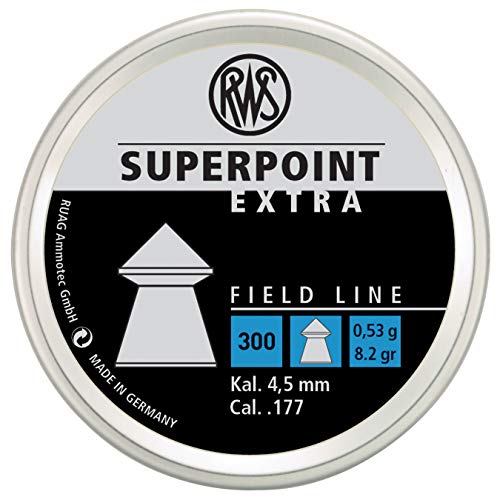
The Superpoint Extra line features a cone-shaped nose engineered for enhanced penetration and reduced drag. This design fosters improved efficiency in energy transfer when engaging targets at range. Shooters often choose these pellets for hunting-style practice or precision shooting where penetration performance and clean barrel maintenance are priorities. The nose geometry supports stable flight and consistent impact characteristics, contributing to tighter groups on paper or steel at practical distances.
Users should note that performance depends on the overall airgun system, including bore consistency, seal quality, and power output. When paired with appropriate pistols, these pellets can provide a reliable, repeatable experience, making them a solid option for those pursuing steady accuracy and predictable performance across practice sessions.
Buying Guide: Key Purchase Considerations
Choosing air pistol pellets involves balancing weight, shape, and purpose. Here are essential factors to consider for a well-rounded selection:
- Caliber compatibility: Most target pistols use .177 (4.5mm). Verify your pistol’s caliber before buying to avoid misfires or poor accuracy.
- Weight and energy: Lighter pellets (around 7–8 grains) tend to shoot faster with a flatter trajectory, suitable for target practice. Heavier pellets (8–10+ grains) offer better energy retention and stability for hunting-style plinking at modest ranges.
- Shape and nose design: Domed, pointed, and hollow-point designs each affect penetration, expansion, and aerodynamics. Pointed and hollow-point pellets can deliver more pronounced impact, while domed shapes favor uniform accuracy.
- Consistency and manufacturing quality: Look for pellets with tight tolerances and uniform dimensions. Consistency supports tighter groupings and repeatable performance.
- Barrel and pistol compatibility: Some designs perform best in specific pistol barrels. Consider test-fits or manufacturer recommendations when possible.
- Maintenance and cleanliness: Some pellets produce less residue and fouling, reducing maintenance time between sessions. Advanced coatings can also influence pellet glide in the barrel.
- Environment and use-case: Indoor ranges favor predictable, low-noise pellets with stable trajectories, while field practice may benefit from higher-energy designs with reliable penetration.
In practice, shooters should match pellets to their pistol’s characteristics—barrel length, power output, and bore accuracy—to achieve the best results. It’s often beneficial to test a few weights and nose shapes to identify the most consistent option for a given setup. Regularly inspecting the barrel, ensuring proper cleaning intervals, and using quality targets help maximize the effectiveness of any pellet choice.