Discover top 3D pens that are well-suited for tweens, combining safety, ease of use, and engaging learning experiences. This guide highlights five beginner-friendly pens with kid-friendly features, clear controls, and enjoyable projects to spark creativity and spatial thinking in young makers.
| Product | Brand | Key Benefit |
|---|---|---|
| SCRIB3D P1 3D Printing Pen | SCRIB3D | Stepless speed control and starter filament set for quick starts |
| 3Doodler Start+ Essentials | 3Doodler | Child-safe design with faster charge and added stencils |
| MYNT3D Professional Printing 3D Pen | MYNT3D | Fine-tuned temperature and speed control for precise drawings |
| 3Doodler Flow 3D Pen | 3Doodler | LCD temperature monitoring and universal filament compatibility |
| SCRIB3D Advanced 3D Pen | SCRIB3D | Ergonomic design with LCD display and multiple speed levels |
SCRIB3D P1 3D Printing Pen with Display

The SCRIB3D P1 offers a stepless speed function for precise drawing and faster infill tasks. Included are three starter PLA colors, a power adapter, a stencil book, and a project guide. Its beginner-friendly operation guides tweens through heating, feeding, and retracting filament, helping develop spatial reasoning and design skills. The kit emphasizes versatility for decorations, small builds, and educational projects. PLA filament is user-friendly for first-time users and provides a forgiving learning curve.
3Doodler Start+ Essentials 3D Pen for Kids
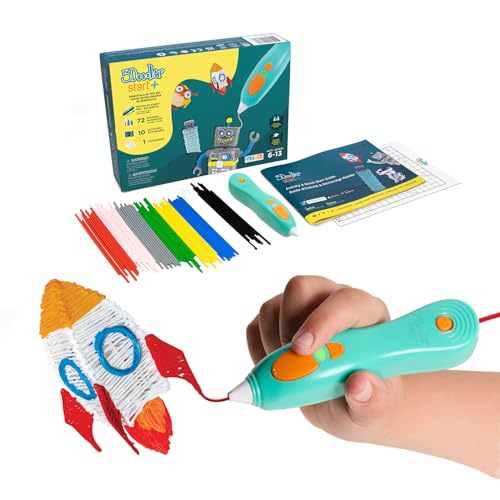
The Start+ is designed with a child-safe profile, featuring no hot parts and a safety stand-by mode. It ships with a broader set of plastics and stencils, improving the ease of learning through guided projects. The device encourages screen-free play and hands-on exploration of STEM concepts, making it a strong choice for tweens beginning 3D drawing and design activities at home or in the classroom.
MYNT3D Professional Printing 3D Pen
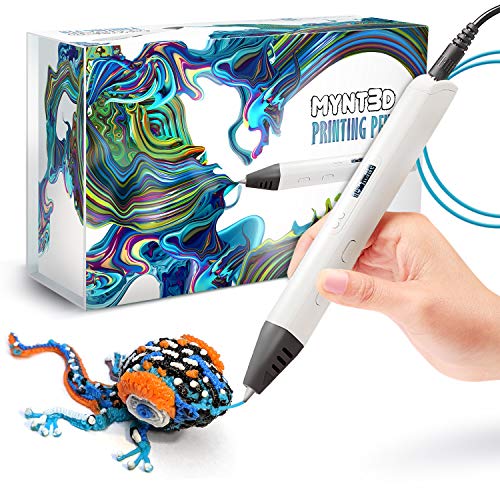
The MYNT3D Professional Pen features an OLED display and adjustable temperature in 1-degree increments, enabling tweens to fine-tune speed and heat for better control. This pen is suitable for young makers who want to experiment with different materials and precise detailing, supporting more advanced projects as skills grow. The steady temperature control helps minimize filament jams and improves reliability during longer sessions.
3Doodler Flow 3D Pen

The Flow stands out with its LCD display for real-time temperature monitoring and compatibility with 1.75mm filaments like PLA and ABS. It emphasizes ease of use, making it accessible for tweens to create 3D structures, both freehand and on stencils. The straightforward heating and extrusion process supports rapid learning and immediate visual feedback, a key motivator for young creators.
SCRIB3D Advanced 3D Printing Pen
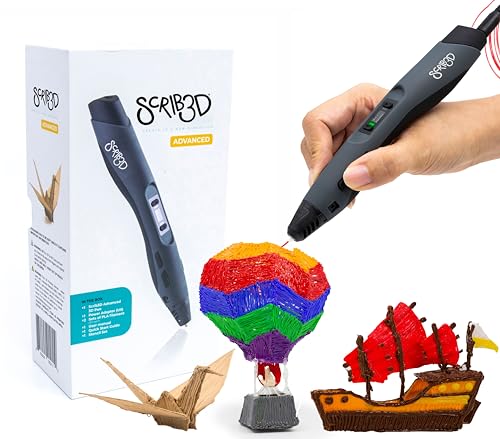
The Advanced pen combines a large LCD display with multiple speed options and a comfortable, soft-touch build. It includes two colors of PLA and a stencil guide, designed to support more complex projects and longer sessions. The ergonomic design minimizes hand fatigue, making it suitable for tweens who enjoy sustained drawing and build projects that require precision and consistency.
Buying Guide: Key Purchase Considerations for Tweens
When selecting a 3D pen for tweens, consider safety, learning curve, and project potential. A child-safe design with low-temperature options reduces burn risks and keeps sessions enjoyable. Look for pens with adjustable speed and temperature controls to support gradual skill development, rather than a fixed, rigid setting. A built-in LCD or display helps young users monitor heat and optimize flow, which is beneficial for longer, more intricate designs.
Filament compatibility matters for versatility and future projects. PLA is common for beginners because it extrudes at lower temperatures and is easier to handle. Some pens support multiple filament types, enabling growth into more advanced material use. If the pen ships with a starter filament set, that can jump-start projects without needing immediate extra purchases.
Ergonomics and grip design influence comfort during extended sessions. A pen with a softer, contoured surface reduces fatigue for hands and wrists, especially for tweens who are still developing fine motor control. Consider whether the kit includes stencils, guides, or a project book—these resources can accelerate learning and keep activities varied and engaging.
Ease of maintenance and reliability should not be overlooked. A simple loading/unloading process helps avoid jams and encourages independent operation. Reading user reviews about filament jams, nozzle clogging, and heat-up times can provide insight into long-term usability for young learners.
Project potential is also essential. If the pen bundles include stencil books, ready-made templates, or classroom-style activities, tweens can build confidence quickly and expand into more ambitious builds. Finally, ensure you have a safe, well-ventilated space for soldering-free, heat-based activities, and supervise younger tweens as needed.