Finding a versatile activity center that grows with your child can streamline playtime and support early learning. The following hand-picked options offer multi-stage development, interactive elements, and durable design for toddlers and babies alike. Each product below emphasizes hands-on exploration, fine and gross motor skill development, and safe, engaging features that parents can rely on as kids grow. Use this guide to compare play value, setup flexibility, and learning focus across top-rated brands.
| Product | Brand |
|---|---|
| Skip Hop Baby Activity Center: Interactive Play Center with 3-Stage Grow-with-Me Functionality | Skip Hop |
| LeapFrog Little Office Learning Center (Frustration Free Packaging) | LeapFrog |
| VTech Touch and Learn Activity Desk Deluxe (Frustration Free Packaging) | VTech |
| Smart Steps® Bounce N’ Play 3-in-1 Activity Center | Smart Steps |
| Manhattan Toy Tree Top Adventure Activity Center | Manhattan Toy |
Skip Hop Explore & More Activity Center
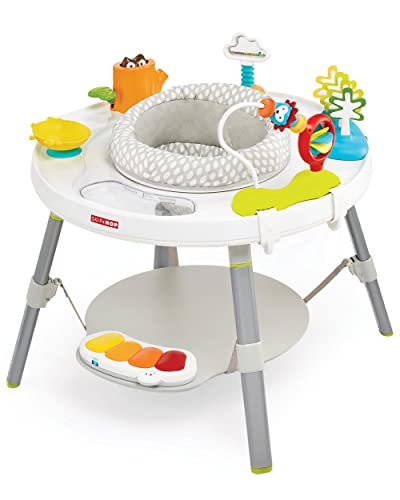
Skip Hop’s Explore & More Activity Center grows with a baby through three stages: sit, swivel, bounce and play, then transitions to a cruise-and-interact toddler setup. It offers 25+ developmental activities, including a musical, light-up piano with three modes (piano, song, motion sensor) and a peek-a-boo owl that pops out and hoots. Clip-on toys can be positioned to match your child’s abilities, making this center adaptable from early months through toddlerhood. It is designed for babies 4 months and up and supports up to 25 lbs, ensuring longevity as your child grows. The design emphasizes stimulating sensory play and gross motor engagement, helping little ones reach milestones in a safe, interactive space.
LeapFrog Little Office Learning Center
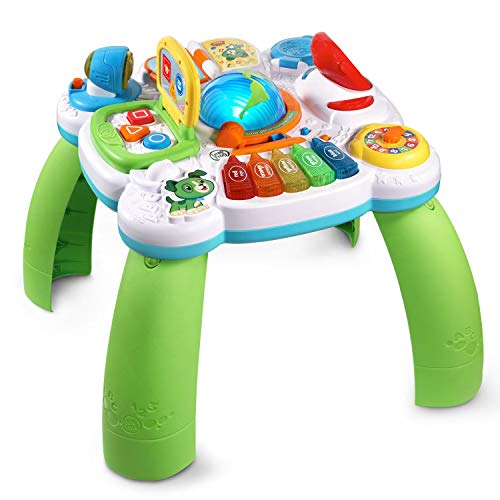
This desk-style play center is designed for early role-play and pretend learning. It features a laptop, phone, globe, and 27 electronic touchpoints for interactive imitation play. Kids can explore Explore, Learn, and Music modes to hear first words, greetings, and world music, while engaging in conversations with Scout character. Opening the laptop reveals activities that teach shapes and animals through button presses, reinforcing early literacy and cognitive skills in a structured, familiar office theme. The compact design makes it suitable for small play areas and helps children practice sequencing, problem-solving, and language development.
VTech Touch and Learn Activity Desk Deluxe

This toddler desk and chair set features five activity pages that children can explore directly on the desk to build vocabulary and listening skills. An LED display illustrates letter and number stroke order, supporting early literacy and math concepts. The desk also transforms into an easel and chalkboard, providing multiple modes of play and storage for art supplies. The design encourages language development, letter recognition, and fine motor control through hands-on activities, making it a versatile tool for at-desk learning and creative expression.
Smart Steps Bounce N’ Play 3-in-1 Activity Center

The Smart Steps Bounce N’ Play center converts from an activity center to a play table and then to a flat table, offering flexible layouts for different play styles. It includes a three-position bouncing board and a seat that can rotate 360 degrees, delivering varied stimuli and ensuring a broad field of view for babies. This setup supports gross motor development through bouncing motion and 360-degree movement, while the transformation options provide continued engagement as skills advance from infancy to toddlerhood.
Manhattan Toy Tree Top Adventure Activity Center
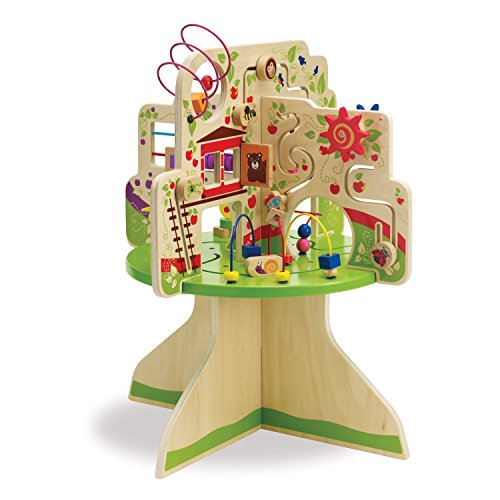
The Tree Top Adventure wooden activity center is packed with motor skill builders including gliders, springy flaps, spinning dials, bead runs, and shape recognition activities. Its colorful, detailed graphics draw attention and invite exploration, helping toddlers practice hand-eye coordination, sorting, and early problem-solving. The wooden construction emphasizes durability and a classic aesthetic, making it a staple in any early-learning setup that values tactile manipulation and long-lasting play value.
Buying Guide
What to consider when choosing an activity center
- Age range and growth potential: Look for 4 months and up, with features that adapt as the child grows to 2–3 years.
- Developmental focus: Prioritize centers that support gross motor skills (bouncing, reaching, swiveling), fine motor skills (manipulating buttons and beads), language development, and imaginative play.
- Adjustability and layout: Choose modular or convertible designs that offer multiple play modes and easy repositioning of toys or surfaces.
- Storage and organization: Built-in compartments for accessories help reduce clutter and encourage independent play.
- Durability and materials: Wood-based centers tend to be durable, while plastic options may be lighter and easier to clean; ensure safety standards are met.
- Portability and space needs: Some models disassemble or fold, which is beneficial for small spaces or travel.
Single vs multi-function design
Multi-function centers save space and offer varied play experiences. They support longer engagement by adapting to the child’s development stages, reducing the need to purchase multiple separate toys.
Safety considerations
Check for non-toxic finishes, rounded edges, stable bases, and age-appropriate weight limits. Always supervise use, especially with early learners who are still exploring how to stabilize themselves during play.
Price and value
While higher-priced centers often offer more durable materials and richer features, assess long-term value by considering growth potential, included activities, and the ease of cleaning and maintenance.
Brand reliability and warranty
Trusted brands with clear age guidelines, safety certifications, and accessible customer support typically provide better long-term satisfaction. Review warranty terms for parts and replacement components.